

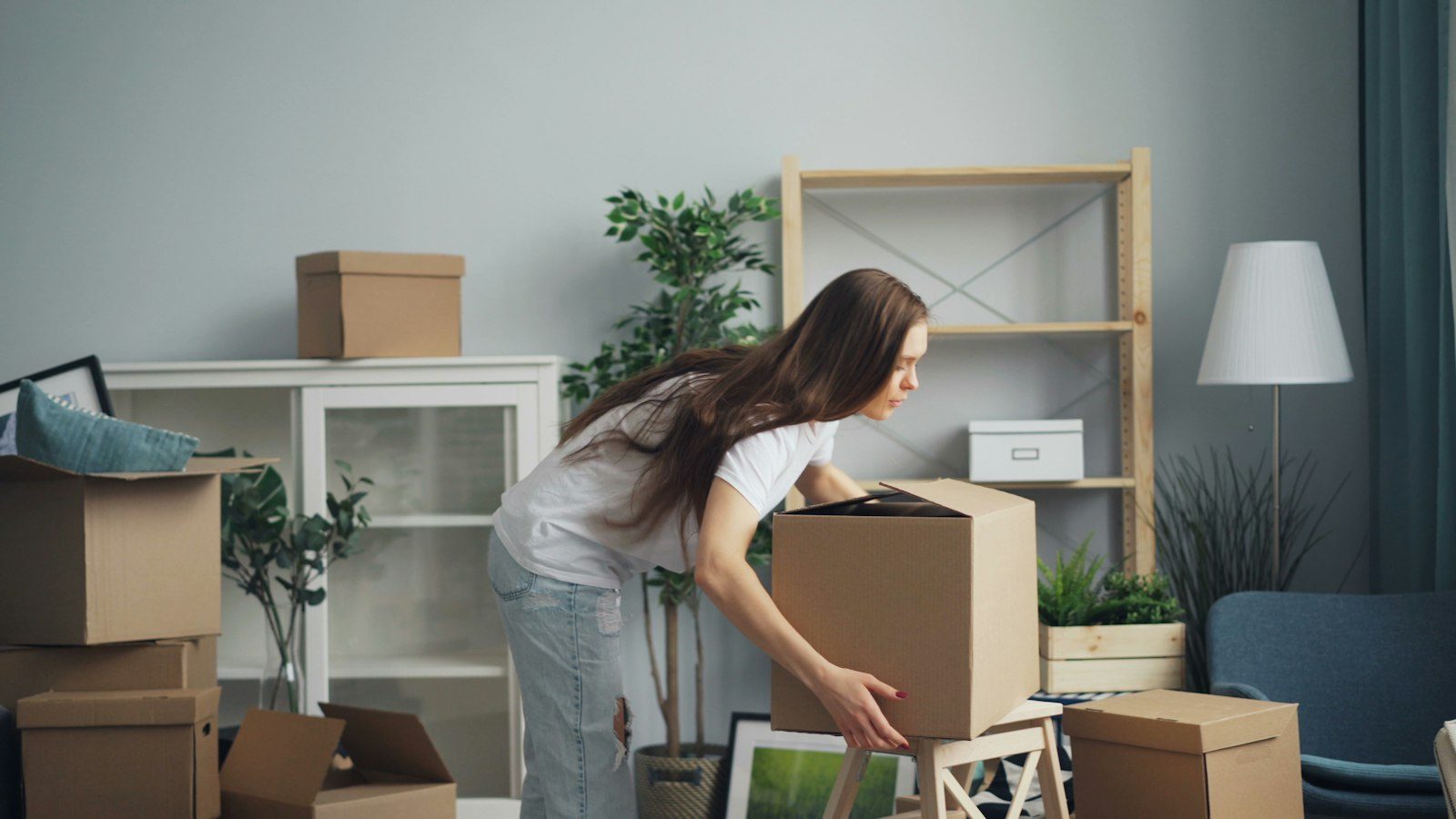
When movers charge by the hour, how well you pack decides how long the job takes. A house where every box is packed, taped and labelled can be loaded far faster than one where the crew is waiting on half-full bins and loose items. Here are the ten habits that make the biggest difference.
The short version
- Start with the rooms you use least, and finish with the kitchen and bathroom.
- Use small boxes for heavy things and big boxes for light things.
- Fill every box to the top so it doesn’t crush when stacked.
- Label the room and the contents on two sides of every box.
- Pack a “first night” box and keep it with you.
1. Get rid of things before you pack them
Every item you move costs you packing time and loading time. Go room by room a few weeks ahead and sort into keep, donate, sell and toss. Clothes you haven’t worn in a year, duplicate kitchen gear and old paint cans are the usual suspects. If there’s a lot to get rid of, we can haul the junk away for you. Our junk removal guide covers what to toss, donate and recycle.
2. Start with the rooms you use least
Spare rooms, storage closets, the garage and out-of-season clothes can be packed weeks ahead. Leave the kitchen, the bathroom and your bedroom until the last few days so normal life can carry on.
3. Small boxes for heavy things, big boxes for light things
Books, tools, canned food and records go in small boxes. Pillows, bedding, lampshades and stuffed animals go in large ones. A large box full of books is too heavy to carry safely and is the box most likely to split open on the stairs.
4. Fill every box to the top
Half-empty boxes cave in when other boxes are stacked on them. Fill the gaps with towels, tea towels, socks or crumpled packing paper so the box is firm when you close it. The lid should sit flat, not bulge and not sag.
5. Tape the bottom properly
Run one strip of tape down the centre seam and one across each edge on the bottom of every box. It takes a few seconds and stops boxes from giving way mid-carry.
6. Pack plates on their edge
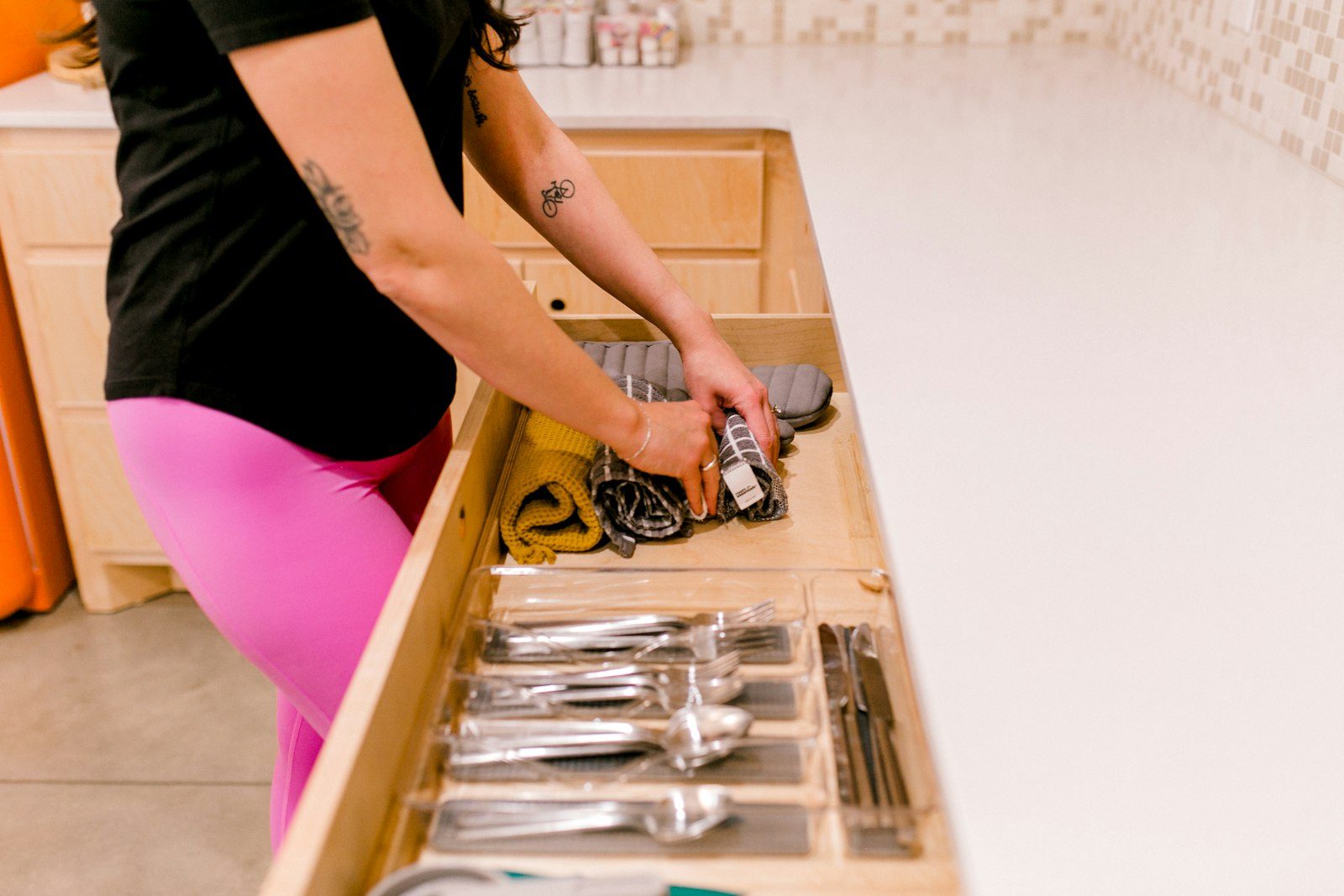
Wrap plates one at a time in packing paper and stand them on their edge in the box, like records in a crate. They’re much stronger that way than stacked flat. Put a layer of crumpled paper on the bottom and top of every dish box, and mark it “fragile” on the sides.
Mover’s tip
Glasses and mugs go in last, on top, with paper stuffed inside each one. Never put anything heavy on top of a dish box.
7. Label two sides, not the top
Once boxes are stacked, nobody can see the lid. Write the room and a short list of contents on two sides of each box (“Kitchen: pots, baking trays”). If you want to go further, give each room a colour of tape and put the same colour on the door of the matching room in your new home.
8. Bag the hardware and tape it to the furniture
When you take apart a bed frame, table or shelf, put the screws and bolts in a zip-top bag, label it, and tape it to the piece it came from. It saves a frantic search at the other end.
9. Take a photo of the back of the TV
Before you unplug the TV, sound system or computer, take a quick photo of how everything is connected. Coil the cords, bag them with the device, and you’ll be set up in minutes.
10. Pack a first-night box
This box travels with you in the car, not on the truck. You’ll be glad you have it.
- Phone chargers, medication, glasses and important papers
- Toilet paper, soap, towels and a change of clothes
- Bedding for the first night
- Kettle, coffee or tea, mugs and a few snacks
- A box cutter, a screwdriver and a roll of tape
- Pet food and bowls, if you have pets
What not to put on the truck
Keep valuables like jewellery, cash, passports and important documents with you. Movers also can’t take anything flammable or dangerous: propane tanks, gasoline, paint thinner, cleaning chemicals and ammunition need to be dealt with separately. Empty the fuel from lawn mowers and gas tools before moving day.
Don’t want to pack at all?
That’s fine too. We offer full and partial packing, so you can hand us the whole house or just the kitchen and the breakables. Packing is quoted with the move, so ask when you book.
Common questions
How many boxes do I need?
It depends far more on how much stuff you have than on the size of the home, so walk through each room and estimate. Kitchens and bookshelves use the most boxes. It’s better to have a few spare than to run out the night before.
Can I leave clothes in my dresser?
Light clothes in a sturdy dresser are usually fine, but take out anything heavy or fragile. If the dresser is old or the drawers are loose, empty it.
Does packing really make the move cheaper?
Yes. Our time is billed from arrival to completion, so the less time the crew spends finishing your packing on the day, the lower the bill. See how much movers cost in Victoria.
Packed and ready to go?
Or want us to do the packing? Tell us about your move and we’ll get back to you with a quote. Locally owned, licensed and fully insured.